The Real Loneliness of Growing Older
We think we worry about being forgotten as we age. But the truth is, many of us become trapped inside other people's memories of who we used to be.
They remember the younger version of us. The struggling mother. The responsible one. The wild one. The helper. The caretaker. The strong one. The shy one. The people pleaser. The woman who tolerated too much. The man who never spoke up.
But they often don't see who we've become since then.
And maybe the strangest part of growing older is realizing how few people truly witness our transformation.
I recently heard my grown son describe me as "the strongest person he has ever known." He sees me as someone resilient, independent, capable, someone who always lands on her feet.
And he's not wrong.
But the version of me he remembers was built during survival years.
Years of working multiple jobs as a single mother while attending school full time. Years of exhaustion, sacrifice, fear, and determination. Years of quietly crying at night while trying to hold everything together during the day. Years of pretending I knew what I was doing because I had no other option except to keep moving forward.
My son saw strength.
He didn't see fear.
He didn't see the nights I worried about paying bills, the loneliness, the self-doubt, or the pressure of carrying everything alone.
And he shouldn't have had to.
But it made me realize something important:
People often hold onto an "echo version" of us long after we've evolved beyond it.
The Hidden Loneliness of Personal Growth
The real loneliness of growing older isn't empty rooms or quiet phones.
It's realizing that many people still relate to the outdated version of you, the identity you've already outgrown.
As we move through life, we change constantly. We heal. We wake up. We learn. We fail. We rebuild. We reinvent ourselves.
But unless someone is actively walking beside us during those transformations, they usually continue relating to who we were during the chapter they shared with us.
That realization can feel deeply isolating.
Especially for people going through major life transitions. Especially for women reinventing themselves after 50. Especially for those of us finally stepping into authenticity after decades of performing roles for survival, approval, or belonging.
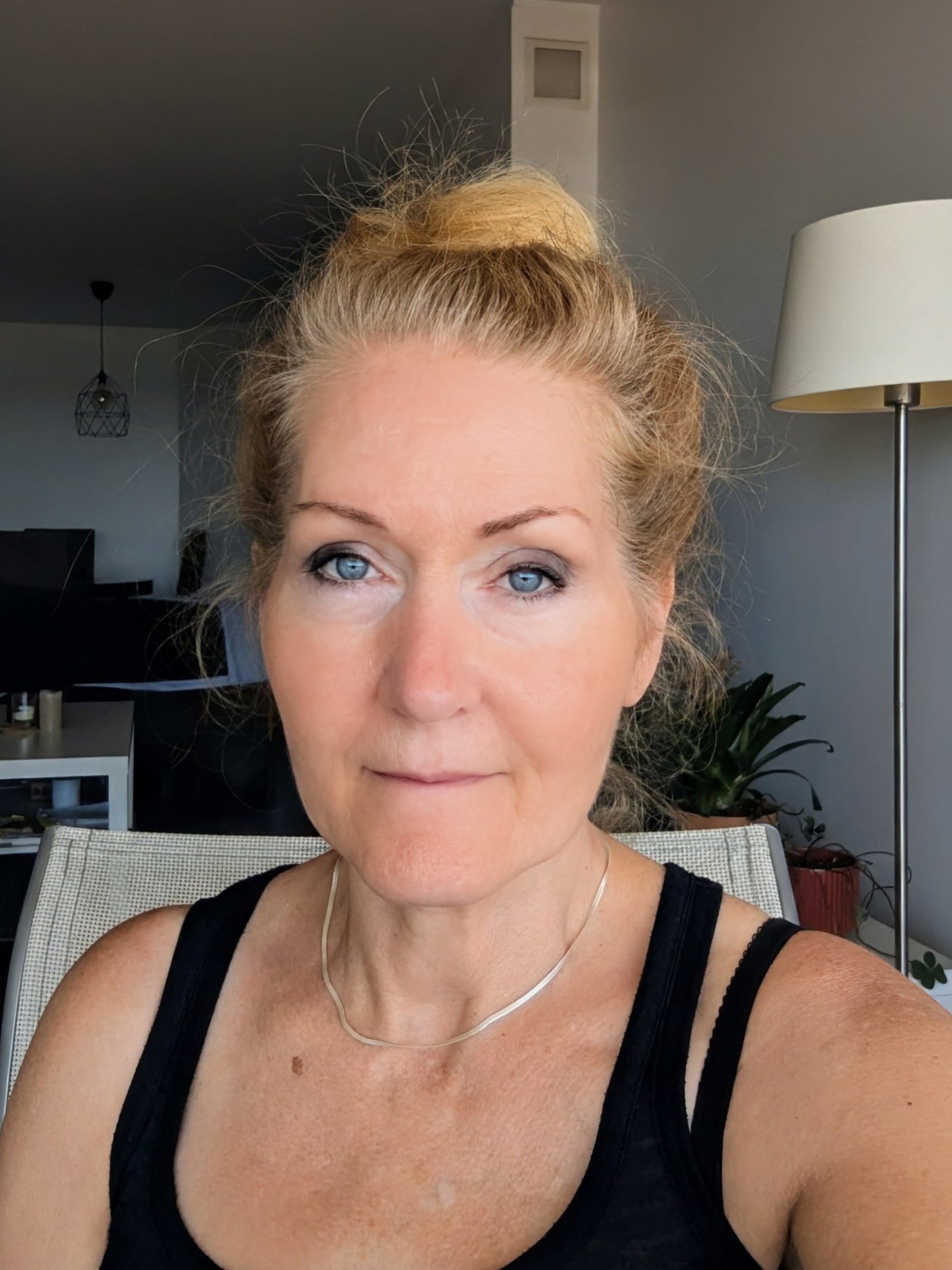
When I look in the mirror today, I see someone completely different than the woman I was even ten years ago.
Not physically. Energetically. Emotionally. Spiritually.
I see someone who has done deep identity work. Someone who has learned emotional resilience. Someone who has rebuilt herself from the inside out. Someone who finally understands self-worth, boundaries, self-trust, and authentic living.
But many people from my past still relate to me through old stories. Old dynamics. Old assumptions. Old identities I no longer live inside.
And honestly? I understand why. Because we all do this to each other. We remember people through the lens of how they existed in our lives but not necessarily who they've become since then.
Reinventing Yourself Later in Life Can Feel Disorienting
One of the biggest misconceptions about personal growth is that healing automatically feels good.
It doesn't always.
Sometimes growth feels like grief.
Sometimes becoming your authentic self means outgrowing relationships, patterns, conversations, environments, or even entire identities that once kept you safe.
For much of my life, I was deeply conditioned by people pleasing. I chased approval. I over-gave. I overworked. I attached my worth to being useful, capable, strong, and needed.
From the outside, that can look admirable. From the inside, it can feel exhausting.
What I didn't understand back then was that confidence without self-trust is fragile. Achievement without identity alignment eventually creates emptiness. And performing strength is very different from actually feeling safe within yourself.
It took me years to understand that true transformation isn't about becoming someone "better." It's about becoming more honest. More integrated. More authentic.
That process changes everything. The way you think. The way you love. The way you set boundaries. The way you move through the world. The way you define freedom. And perhaps most importantly, the relationship you have with yourself.
Why Self-Trust Changes Everything
I used to believe confidence meant never feeling fear.
Now I understand that self-trust means moving forward even while fear is present.
That distinction changed my life.
My son once said to me, "You always know what to do." But the truth is, I often didn't. What changed over the years wasn't certainty, it was trust.
I learned to trust my ability to figure things out. I learned to take brave steps before feeling fully ready. I learned that action creates momentum. And momentum builds confidence.
That's the part many people don't see when they look at someone they admire. They see the outcome. Not the emotional work underneath it. Not the mindset transformation. Not the years spent rebuilding identity after disappointment, heartbreak, failure, burnout, or loss.
Self-trust is built quietly. One courageous decision at a time. One boundary at a time. One uncomfortable truth at a time. One honest conversation at a time. One moment of choosing yourself instead of abandoning yourself.
And for many people in midlife or later life, this becomes the real work. Not chasing success. Not performing perfection. But finally learning how to belong to yourself.
Why So Many Adults Feel Lost at a Crossroads
I work with many adults who feel stuck, disconnected, invisible, or emotionally exhausted.
From the outside, their lives often look "fine." But internally, they feel deeply misaligned.
And usually, the issue isn't laziness or lack of motivation. It's identity confusion.
They've spent decades becoming who they thought they needed to be. Now they're standing at a crossroads wondering:
Who am I underneath all of this? What do I actually want now? What would my life look like if I stopped living for approval?
That crossroads can feel terrifying. But it's also sacred. Because identity transformation often begins with discomfort. Not clarity.
The old version of you starts feeling too small. The life you built no longer fully fits. The roles become heavy. And somewhere inside, a quieter, more authentic version of yourself starts asking to exist.
That voice matters.
We Need Spaces Where the Current Version of Us Can Exist
One of the most healing things we can do during seasons of reinvention is place ourselves in environments where the current version of us can breathe.
Not the old version. Not the survival version. The present version.
This is why new communities matter so deeply during personal growth journeys. Creative writing groups. Volunteering. Travel. Art classes. Coaching. Gardening clubs. Movement classes. Learning spaces. New friendships formed later in life.
These environments allow us to exist without the weight of old identities constantly being projected onto us. There is something profoundly healing about being known for who you are now instead of who you used to be.
I didn't fully understand this until later in life. I thought loneliness was simply the absence of people. Now I understand that loneliness can also come from invisibility. From feeling unseen in your evolution. From realizing people are interacting with a former version of you while the real you quietly sits beneath the surface.
And maybe this is part of growing older too:
Learning to stop asking everyone else for permission to evolve. Learning to let people misunderstand you if necessary. Learning to become someone new anyway.
Growing Older Isn't About Fading. It's About Becoming.
The truth is, growing older isn't about disappearing. It's about becoming more honest. More grounded. More yourself.
It's about releasing identities that were built from fear, conditioning, survival, or approval. It's about discovering freedom through authenticity. It's about trusting yourself enough to build a life that actually reflects who you are now and not who you were twenty years ago.
And yes, sometimes that process feels lonely. But there is also incredible beauty in it.
Because eventually, you stop trying to return to older versions of yourself simply because other people feel comfortable there.
You stop shrinking. You stop performing. You stop apologizing for evolving.
You begin building a life from self-trust instead of self-abandonment.
And that changes everything.
If you're standing at a crossroads right now, somewhere between who you were and who you're becoming, I want you to know this:
You are not lost. You are transforming.
And perhaps the real courage in growing older is allowing yourself to become someone entirely new, even when other people still remember the old version of you.
Ready to explore what's waiting next?
Book a Call